Ever been locked out of your house because you lost your keys? Yeah, super annoying. Now imagine that happening at a school, a small office, or a shop—and not just one person, but maybe five or ten people can’t get in or out. That’s a big mess. That’s why more and more places are using smart ways to control who comes in and goes out. It’s not just big fancy companies doing this anymore. Places are upgrading their doors to stay safer and more organized.
Let’s break it down in a way that actually makes sense.
Why Just Locking the Door Isn’t Enough
You know how anyone with a copy of a key can get into a room, right? Well, that’s kind of the problem. If someone loses a key or quits their job and keeps one, that door isn’t really locked anymore, is it? Anyone can come and go without anyone knowing.
That’s where smart door systems come in. Instead of using a key, people use a card, a code, a fob, or even their fingerprint. And the cool part? You can turn off their access anytime without changing the lock. Just press a button and boom—they’re locked out.
In Essex, more schools, shops, gyms, and small offices are switching to Door Access Control Systems Essex to avoid this exact problem. It’s not just about who comes in—it’s about knowing when, why, and stopping the wrong people before they even touch the door.
It’s Not Just About Safety (Even Though That’s Super Important)
Keeping bad guys out is a big deal but there’s more to it. Access control systems help with:
- Keeping track of who was where – If something goes wrong, you’ll know exactly who was in the building.
- Letting the right people in fast – No more searching for keys or waiting for someone to unlock a door.
- Saving money – Replacing locks and keys over and over costs way more than one good system.
Think about a local gym. You sign up, get a little fob, and swipe in whenever. No staff needs to open the door. No one has to be on duty 24/7. But the owner still knows who’s coming in and out. That’s smart.
Small Places, Big Problems
A lot of people think only banks or tech companies need tight security. Not true. A daycare center? Imagine someone wandering in who doesn’t belong there. A storage unit company? What if someone steals thousands of pounds worth of stuff? A tiny office? What if a former employee still has the key?
When small places don’t take security seriously, it doesn’t take much to cause big trouble. And let’s be real—most small businesses can’t afford to lose anything. One break-in, one bad moment, and they could be done.
That’s why it’s smarter to prevent it than deal with it later.
What Do These Systems Actually Look Like?
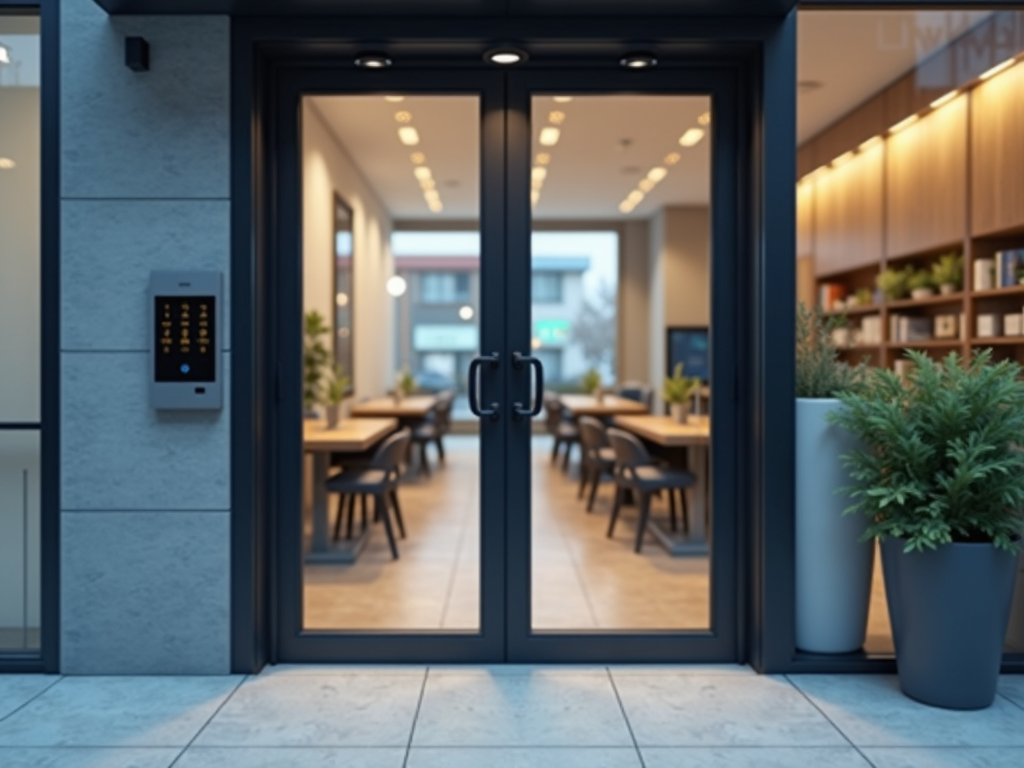
Don’t worry, it’s not some Mission: Impossible setup. Most systems are pretty simple. There’s usually a reader near the door—a place where you tap a card, type a code, or scan your finger. If you’re allowed in, the door unlocks. If not, nothing happens.
Some setups even have apps that let you unlock the door from your phone. Others let you see who’s at the door before you open it. You can pick what works for your building.
The best part? These systems don’t stand out or look weird. They just make the door do a bit more than sit there.
New schools are getting access systems built right in. Offices are upgrading old locks. Even apartment buildings are starting to go keyless.
And the people installing these systems know how to make them fit into each space. It’s not one-size-fits-all. A shop on a busy street needs something different from a small school with three classrooms. That’s why it helps to talk to experts who know what they’re doing.
What If You Don’t Think You Need It?
Totally fair question. If your place has never had a break-in or problem, you might not think it’s a big deal. But that’s kind of the point—you don’t want to wait until something bad happens.
And it’s not just about crime. What if someone forgets to lock up? What if a delivery driver comes in and leaves the door wide open? What if your staff keeps losing keys? These aren’t huge problems on their own—but together, they add up.
It’s kind of like getting a smoke alarm. You hope you never need it, but you’d never want to go without it either.
Simple Steps to Start Thinking About It
You don’t have to jump straight into high-tech gear. Even just asking these questions can help:
- Who has keys to your building right now?
- Do you know if anyone has made copies?
- What happens if someone loses their key?
- Do you ever forget to lock the door?
- If something went missing, could you figure out who was there?
If any of that makes you stop and think, then it might be time to look into an access control system. Even a basic one could make a huge difference.
Final Thoughts
Locks aren’t just for the big guys anymore. Small businesses, schools, gyms, and even houses are all getting smarter about who gets through the door. And with systems that are easy to use and don’t cost a fortune, there’s really no reason to keep handing out keys like it’s 1995.
If people can’t get in when they shouldn’t—and can get in when they should—everything just works better.
So next time you hear a beep and a click as someone walks into a building, just know: that door isn’t just a door anymore. It’s part of something a whole lot smarter.
Leave a Reply